
By Ellie Lu
Early Evaluation Is One of the Best Investments in Your Health
A lighter period doesn’t always indicate a serious condition; however, it is a signal you shouldn’t ignore.
At R-MEDY Health & Wellness, Dr. Cai emphasizes:
“Don’t wait until symptoms become severe. Any change in your menstrual cycle is an opportunity to understand your body better.”
If you’ve recently noticed:
— Your menstrual flow is lighter than usual
— Your cycle has become irregular
— Your period appears watery, light in color, or very short
— Spotting has replaced a normal bleed

Here you can find some of our corporate programs tailored for your business.
These observations can sometimes indicate underlying hormonal or metabolic shifts.
Below are key areas worth exploring.
What Causes Decreased Menstrual Flow? Understanding the Most Common Factors
A lighter period (hypomenorrhea) can be influenced by many internal and external factors.
Here are highlights of the following as some of the most common root causes.
Hormonal Imbalances: Low Estrogen or Progesterone
Estrogen and progesterone work together to regulate the growth and shedding of the uterine lining. When either hormone is too low, the lining becomes thinner, resulting in lighter or shorter periods.
Common contributors to low hormone levels include:
- Chronic stress
- Poor sleep
- Excessive exercise
- Low body fat or rapid weight loss
- Certain hormonal contraception methods

Stress: Disruption of the Brain – Ovary Connection OR Brain & Ovary Connection
High stress increases cortisol, which can interfere with the hypothalamus and pituitary gland, key parts of the brain that instruct the ovaries.
Consequently, Prolonged stress may lead to:
- Lighter periods
- Delayed cycles
- Anovulation (no ovulation)
Signs stress may be affecting your cycle:
- Difficulty sleeping
- Mental fatigue or irritability
- Emotional tension
- Feeling physically drained but still pushing through intense workouts
Thyroid Dysfunction: An Overlooked Factor in Women’s Health
The thyroid plays a central role in metabolic and hormonal regulation.
Both hypothyroidism (low thyroid function) and hyperthyroidism (overactive thyroid) can lead to:
- Reduced menstrual flow
- Longer or unpredictable cycles
- Ovulatory disruptions
- Other symptoms: fatigue, weight changes, cold intolerance, hair shedding
- may also accompany thyroid-related menstrual changes.
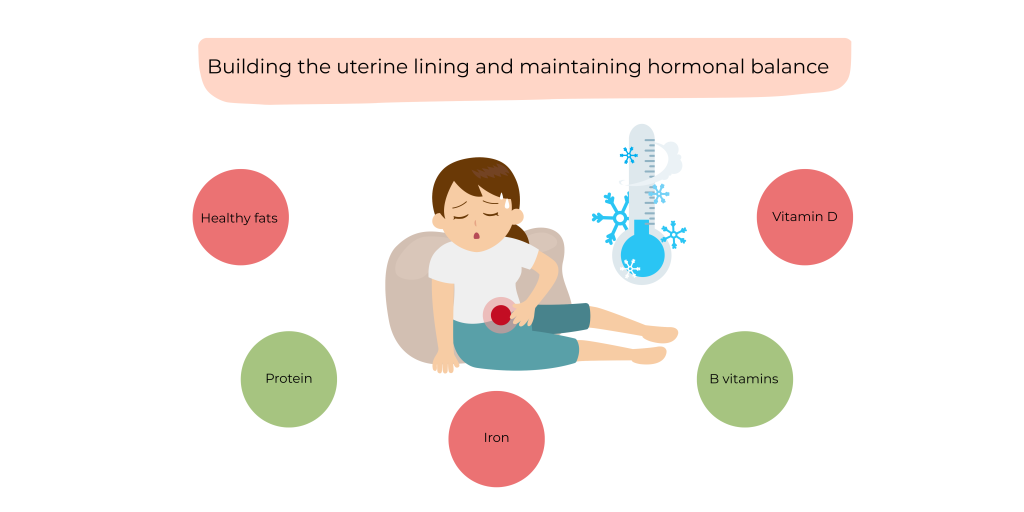
Nutritional Deficiencies: Not Enough Fuel for Hormone Production
Balanced nutrition is essential for building the uterine lining and maintaining hormonal balance.
Key nutrients include:
- Healthy fats
- Protein
- Iron and B vitamins
- Vitamin D
- Minerals such as zinc and magnesium
Additionally, women who diet frequently, skip meals, overtrain, or have digestive absorption issues are more likely to notice lighter periods.
Dr. Kelli often finds that “once nutrition improves, hormonal balance and cycle regularity also strengthen noticeably.”
Why Monitoring Your Menstrual Flow Matters
Menstrual changes are rarely random. They can serve as early indicators of:
- Hormonal decline
- Irregular ovulation
- Elevated stress
- Thyroid dysfunction
- Nutritional depletion
- Changes in reproductive health
If left unaddressed, these signals may affect:
- Fertility
- Mood and energy
- Bone health
- Metabolism and weight
- Long-term gynecological wellness
Early recognition is key, lighter periods can be corrected more easily when addressed promptly.

How R-MEDY Supports Women Experiencing Lighter Periods
At R-MEDY Health & Wellness, our approach focuses on identifying root causes rather than masking symptoms. We emphasize long-term hormonal and metabolic balance through personalized care.
Lifestyle Optimization
- Improving diet quality to support hormonal balance, with attention to adequate daily protein intake
- Balancing exercise intensity
- Stress-reduction techniques (breathing, mindfulness, lifestyle adjustments)
- Establishing consistent daily routines
Restoring Nutritional Foundations
Customized supplement regimens and recommendations based on individual needs, including:
- Omega-3 and healthy fats
- Iron and B vitamins
- Vitamin D, magnesium, zinc
- Magnesium and zinc
If you’d like to learn more about which supplements may suit you, we can arrange a consultation.
Comprehensive Hormone Assessment
Our evaluations may include:
- Estrogen and progesterone levels
- FSH, LH, and ovulation markers
- Thyroid panel
- Cortisol and stress-hormone markers
Dr. Kelli highlights:
“Every woman’s hormone profile is unique. Precision testing allows us to create targeted and effective treatment plans.”
Personalized Treatment Plans
Depending on test results, your care may involve:
- Hormonal balance therapy
- Integrative medical support
- Lifestyle and nutritional counseling
- Early referral for any other concerns detected
Take Charge of Your Health Before Symptoms Escalate
Menstrual flow changes are not something to overlook. They’re your body’s way of communicating that something needs attention.
At R-MEDY Health & Wellness, our team together with Dr. Cai and Dr Kelli are here to support you in understanding these changes and restoring balance.
If you’ve recently observed lighter periods, irregular cycles, or spotting, exploring the factors above can help you understand what your body may be signaling.
Interested in learning more about Hormone Replacement Therapy? Please contact us here.