
by Ellie Lu
If you’re in your 40s or 50s and feel like your body has changed overnight, you’re not alone. Many women entering perimenopause or menopause experience symptoms that feel unfamiliar, frustrating, and sometimes overwhelming. Fatigue, mood changes, poor sleep, brain fog, and weight changes aren’t signs of weakness. They’re often signs of hormonal decline.
At R-MEDY Health and Wellness, we focus on one key principle: when hormones decline, the goal isn’t to “push through” symptoms, but to address them safely and thoughtfully. This is where Bioidentical Hormone Replacement Therapy (BHRT) becomes an important and medically appropriate option.
What is happening to hormones during perimenopause and menopause?
Perimenopause typically begins several years before menopause, often in a woman’s 40s. During this time, estrogen and progesterone levels fluctuate and gradually decline. After menopause, these hormone levels remain consistently lower.
Because hormones interact with many systems in the body, these changes may influence:
– Sleep patterns
– Energy levels
– Mood and emotional regulation
– Cognitive clarity
– Metabolism and body composition
– Bone and cardiovascular health
For some women, symptoms are mild. For others, they can be more persistent and disruptive to daily life.

Why do hormones affect more than just reproductive health?
Hormones such as estrogen and progesterone play roles far beyond the menstrual cycle. They interact with the brain, nervous system, bones, muscles, and heart. When hormone levels decline, the body must adapt to a new internal environment.
Lifestyle strategies, such as nutrition, physical activity, stress management, and sleep, remain essential. However, when symptoms are driven primarily by hormonal decline, lifestyle support alone may not fully address how a woman feels.
This is why hormone therapy may be discussed as part of a broader medical evaluation during midlife.
What is BHRT?
Bioidentical Hormone Replacement Therapy (BHRT) refers to hormone therapy that uses hormones structurally identical to those naturally produced by the human body. The goal is to support the body when natural hormone production decreases during perimenopause or menopause.
BHRT is prescribed based on:
- Individual symptoms
- Laboratory testing
- Medical history
- Overall health goals
It is not a standardized approach and is always tailored to the individual.
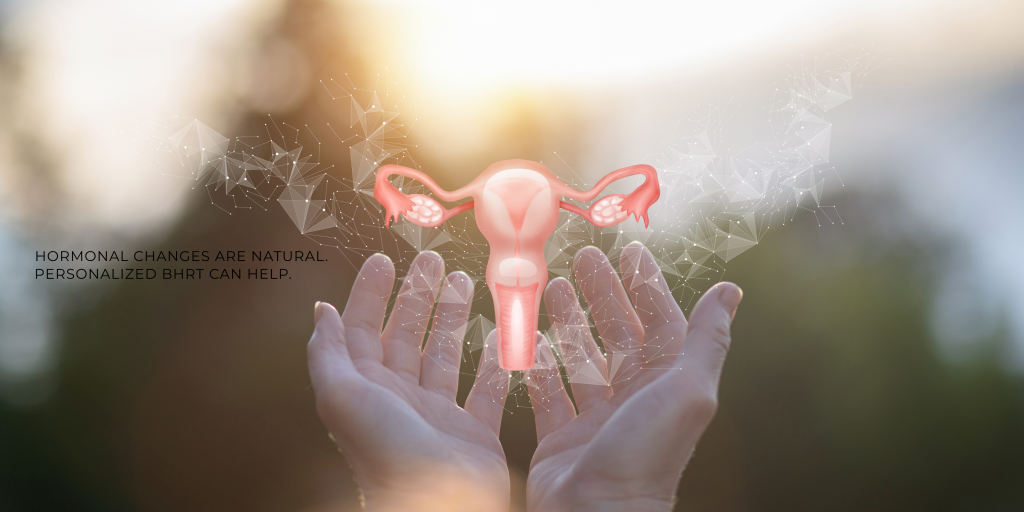
Learn more about how our team at R-MEDY Health and Wellness approaches personalized hormone care.
Why is BHRT often discussed during perimenopause and menopause?
During perimenopause and menopause, hormone levels are no longer stable or sufficient for some women. When symptoms are clearly linked to hormonal changes and affect quality of life, BHRT may be considered as one part of a comprehensive care plan.
Women may seek medical guidance for concerns such as:
- Ongoing fatigue
- Sleep disruption
- Mood changes
- Difficulty concentrating
- Hot flashes or night sweats
BHRT is discussed not to reverse aging, but to help support well-being during a significant biological transition.
Is BHRT appropriate for every woman in midlife?
Every woman’s experience of perimenopause and menopause is different. Some transition with minimal symptoms, while others experience changes that significantly affect daily functioning.
BHRT is considered on an individual basis and is never automatic. A thorough evaluation helps determine whether it may be appropriate, or whether other supportive strategies should be prioritized.
How is BHRT managed over time?
Hormonal needs can change as the body continues to transition. For this reason, BHRT is not static. Ongoing care typically includes:
- Periodic lab testing
- Symptom review
- Treatment adjustments as needed
This approach helps ensure that care remains aligned with a woman’s changing physiology.

What is the role of BHRT in long-term health?
Beyond symptom management, hormones play a role in maintaining bone density, cardiovascular health, and cognitive function. For some women, addressing hormonal decline may be part of a broader strategy to support long-term health as they age.
Any discussion of BHRT should consider both current symptoms and overall health goals.
Conclusion
Perimenopause and menopause are natural stages of life, but they can bring changes that feel unfamiliar and challenging. Understanding why these changes occur allows women to make informed decisions about their health.
Bioidentical Hormone Replacement Therapy is one option that may be considered during this stage, when hormonal decline begins to affect well-being. At R-MEDY Health and Wellness, the focus is on individualized evaluation, thoughtful discussion, and helping women navigate midlife transitions with clarity and confidence.
Sometimes, the most important step is simply understanding what your body is experiencing and knowing that support options exist.
Ready to Learn More?
If you’re navigating perimenopause or menopause and want a better understanding of your hormonal health, our team at R-MEDY Health and Wellness is here to help guide the conversation.
👉 Visit our website to explore BHRT and personalized hormone care.
15 Responses